

A Cambridge Judge Business School entrepreneur’s journey from fintech infrastructure to AI innovation on the global stage
Khin Saw, Cambridge Executive MBA 2024
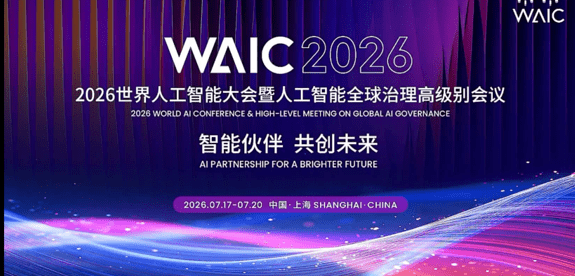
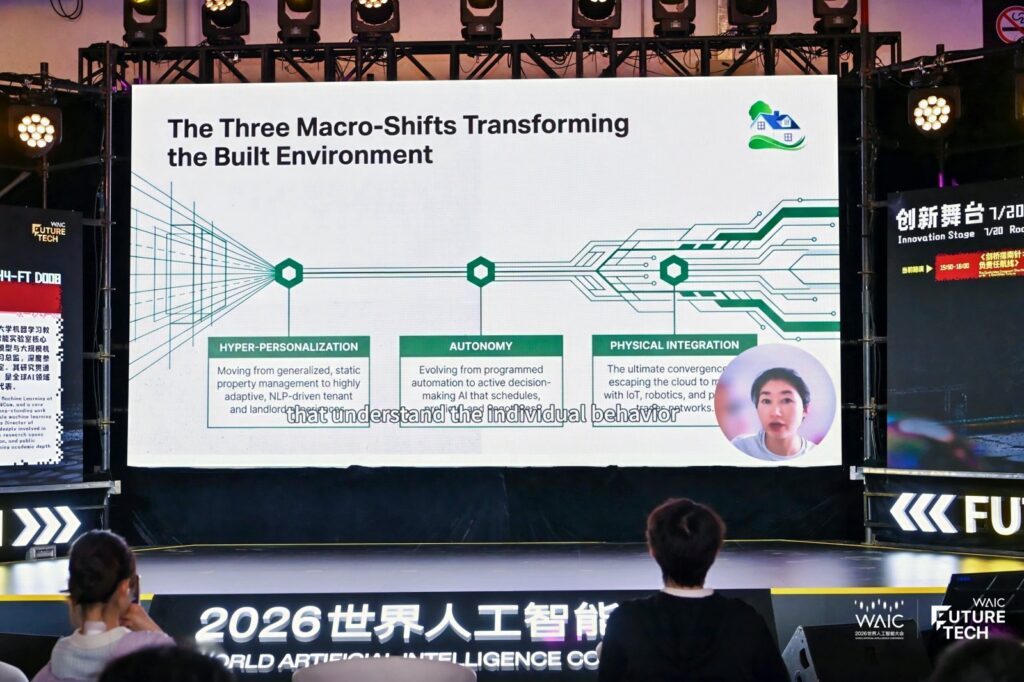
In July 2026, my AI-powered proptech platform, PandaView, was selected as one of 10 AI-led technology innovation winners by Cambridge to present at the World Artificial Intelligence Conference (WAIC) 2026, one of the world’s most prestigious AI summits. Due to different time zones, my presentation was delivered via pre-recorded live streaming to international audiences across multiple continents, reaching researchers, technologists, policymakers and entrepreneurs who are shaping the future of artificial intelligence. In that moment, watching our work transmitted globally to thousands of participants, I reflected on how far we’ve come and how Cambridge’s commitment to innovation and critical technologies made this journey possible.
From trading platforms to AI innovation
My path to PandaView wasn’t a straight line. For a decade, I built enterprise trading platforms at LSEG/Refinitiv, one of the world’s leading financial technology institutions. I architected and deployed 100+ trading platforms annually across 4 continents (EMEA, Americas, Asia-Pacific), serving tier-1 global banks including DBS Bank, Abu Dhabi Commercial Bank, MUFG Bank (Mitsubishi UFJ) and Industrial and Commercial Bank of China (ICBC). We managed £5bn+ in platform growth and delivered critical infrastructure upgrades worth £10m+, achieving 10% annual cost savings for clients while improving their competitive capabilities.
This work taught me something fundamental: scale matters, but so does precision. When you’re handling billions in daily trading volume across global institutions, every decision ripples across markets. I learned to think systematically about risk, resilience and the human complexity behind technology delivery.
But I also learned something else: technology should solve real problems, not just scale infrastructure.
The first venture: direct market exposure
In 2018, I founded and scaled First Property Partner Ltd, a revenue-generating property investment firm specialising in buy-to-let and HMO (house in multiple occupation) portfolios. Through this venture, I built a portfolio generating £10k+ in annual revenue, conducting rigorous market research to identify lucrative investment opportunities and implementing strategic property management techniques to optimise returns.
This wasn’t passive investment. I was embedded in the property industry, managing tenants, coordinating maintenance, liaising with agents and navigating the operational complexity of residential property at scale. I experienced first-hand the frustrations that property professionals face daily: fragmented workflows, subjective assessments, manual inspections and the difficulty of scaling intelligent decision-making across multiple properties.
The insight: from practice to vision
By the time I enrolled in the Cambridge Executive MBA in September 2024, I understood the property market deeply, not from theory, but from operational reality. As I completed my dissertation on alternative assets and thought strategically about financial markets, a critical question emerged:
What if the pain I’d experienced as a property entrepreneur could be solved with artificial intelligence?
This wasn’t speculation. I had lived the problem. I knew what it felt like to manually inspect properties, rely on subjective assessments of condition, and coordinate fragmented workflows across agents, trades and tenants. I had verified through market research that property professionals globally managing portfolios worth billions were still operating with largely manual, disconnected systems.
The birth of PandaView
In March 2026, I transitioned First Property Partner Ltd, my proven property business, into PandaView, an AI-driven innovation built on years of direct market understanding and validated pain points.
PandaView applies machine learning and computer vision to automate what I’d done manually: property condition assessment, maintenance prediction and intelligent workflows that connect agents to vetted service providers. But instead of a single portfolio, we were solving this for an entire industry.
By July 2026, I had developed an MVP and were engaged in pilot testing with leading UK estate agents. And then, something extraordinary happened.
Global recognition
In July 2026, at the World AI Conference (WAIC) Shanghai, the premier international platform for AI innovation, attracting leading researchers and technologists from across the globe, PandaView was selected as one of 10 AI-led technology innovation winners representing emerging leaders in critical technologies from Cambridge.
The selection was particularly meaningful because it came from a genuinely international competition. WAIC doesn’t just celebrate established players; it actively seeks emerging innovators who are solving real-world problems with AI at their core. Being recognised alongside other global AI pioneers suggested that our vision, using machine learning and computer vision to modernise property technology, resonated at the highest levels of the international innovation community.
Streaming to the world
My presentation was delivered as a pre-recorded live stream broadcast to WAIC’s global audience across multiple continents. This streaming format meant our work reached not just the 5,000+ attendees in the Shanghai conference centre, but researchers, technologists and entrepreneurs watching from universities, companies and innovation hubs worldwide.
For a startup founded just 4 months earlier, that streaming reach meant something profound: our work wasn’t confined to the UK property market or even European fintech circles. We were suddenly part of a global conversation about the future of AI-driven automation.
The feedback was exceptional. Technical experts appreciated our approach to computer vision for property assessment. Property technology professionals saw immediate commercial relevance to their challenges. International audiences responded to our vision of intelligent, data-driven property operations, a problem that transcends geography.
Why this matters for Cambridge
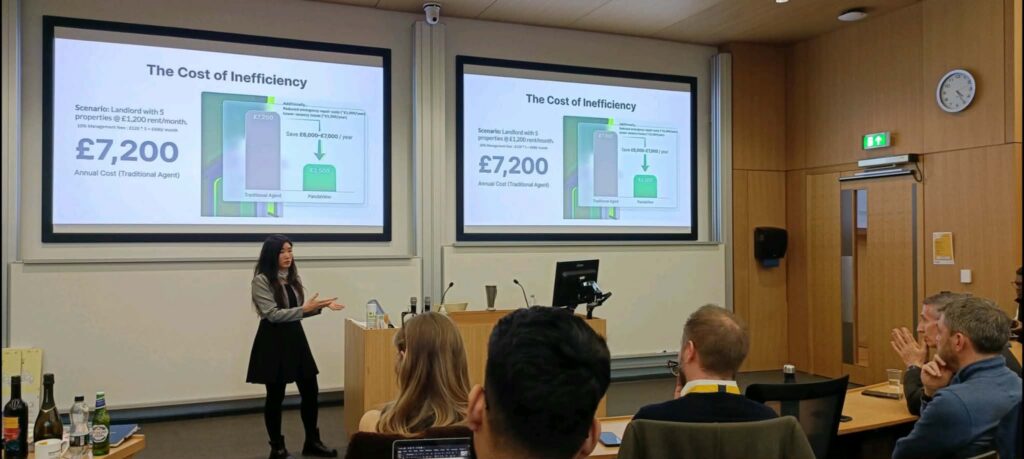
Cambridge’s role in this story is important. The Cambridge Executive MBA gave me structured time to research, validate and develop the business vision behind PandaView while drawing on years of direct property market experience. My dissertation on alternative assets, selected for international presentation at the University of Barcelona, reinforced how to think strategically about markets and value creation.
More fundamentally, Cambridge’s commitment to innovation and critical technologies created an ecosystem where founding an AI startup while in the Executive MBA programme felt natural, not exceptional. The institutional support, Cambridge Pitch & Judge Events led by Luther Phillips, access to technical advisors and encouragement to pursue ambitious ideas, grounded in real market understanding, shaped how I approached this challenge.
When I represented Cambridge Judge Business School in the Gobi Desert Ultramarathon in May 2026 (where our international team of Cambridge, CEIBS and Harvard alumni won the Silver Trophy and ESG Award), I was carrying that spirit of institutional excellence into the world. When I led the Executive MBA charity run that raised £1,660 for Cancer Research UK, 110% of target, I was embodying the values Cambridge instils: pushing boundaries, leading with purpose and contributing to something bigger than ourselves.
What’s next
PandaView is currently in MVP and pilot testing stage with UK estate agents. We’re exploring how AI-driven property technology can scale across different markets and regulatory environments. We’re also thinking about the broader implications: How can we help property professionals make better decisions using AI? How can we democratise access to intelligent property insights across geographies?
Most importantly, we’re asking ourselves: how can this innovation eventually reach other regions where property professionals face similar challenges to those I experienced in the UK?
A global moment
Standing behind the scenes as my WAIC presentation streamed to audiences across the world, I realised something: innovation isn’t siloed in single institutions or regions. It’s a global conversation grounded in real market understanding, and platforms like WAIC are where that conversation happens in real time.
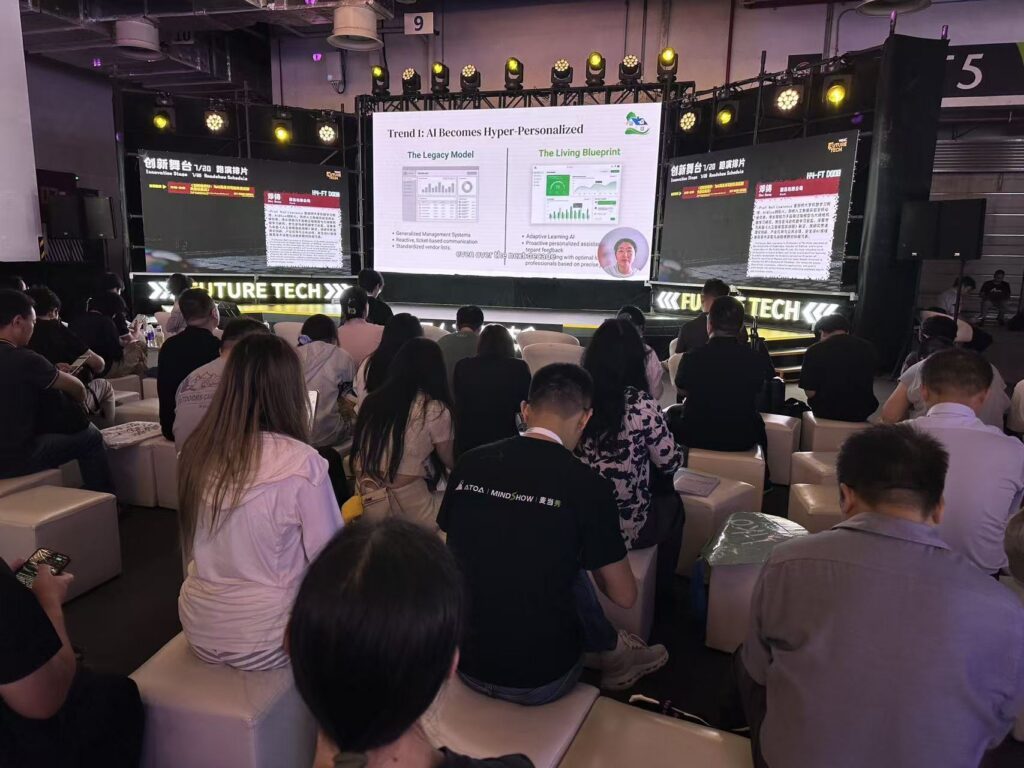
Cambridge played a role in this achievement, not by doing the work for us, but by creating conditions where ambitious ideas rooted in actual market experience could mature and eventually gain recognition on a global stage. The Cambridge Navarino Scholarship, the Executive MBA programme’s emphasis on innovation, the access to world-class advisors, the alumni team (Jennifer Hersch) provided opportunities like securing 10 VIP spots at WAIC for Cambridge Judge Business School (CJBS) alumni and the institutional culture of pushing boundaries, all of it mattered.
But the foundation was real: a decade in trading platforms, years operating in the property market, hands-on experience with the problems we’re solving and rigorous market research validating that vision.
Now, the next chapter is global. PandaView’s journey doesn’t end in Shanghai or London. It’s just beginning.
If you’d like to find out more, please feel free to contact me via LinkedIn.
Leave a Reply