

A blog post by Dr Abiodun Olushola (Executive MBA 2023)
There are moments in life when success stops being about personal milestones and starts
becoming about impact. For many global leaders, especially those shaped by transformative
experiences like the Executive MBA at Cambridge Judge Business School, that turning point often
becomes a call to give back.
This is the story of Time for Africa; not just an initiative, but a movement grounded in financial
inclusion, clean energy, agricultural reform and community-led transformation across the
continent.
And this is only the beginning.
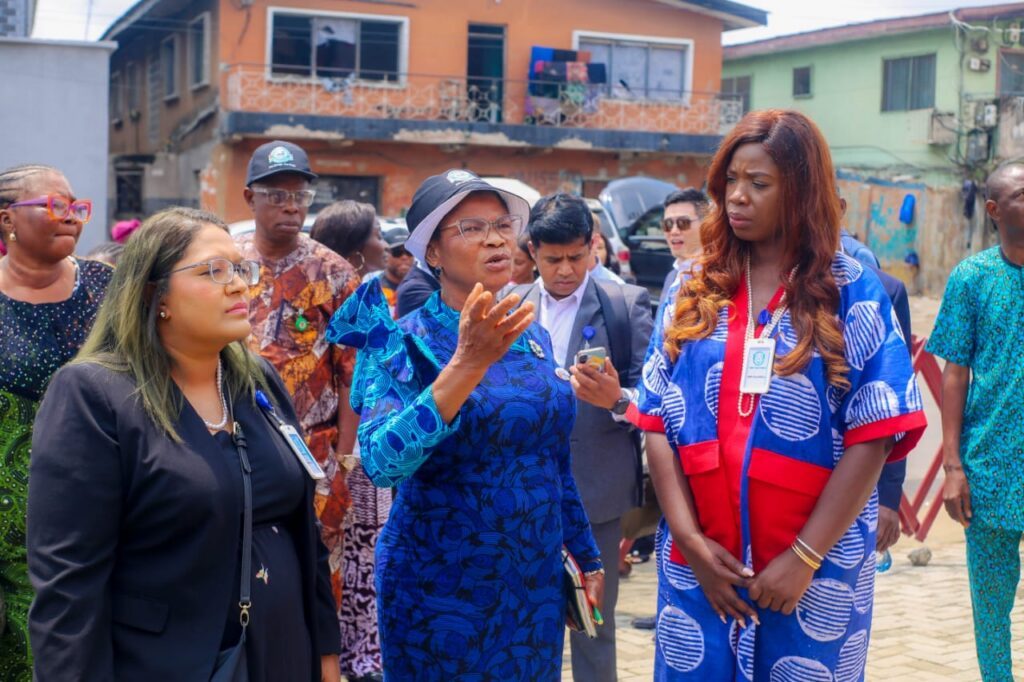
Giving back with structure, not sympathy
Africa has never lacked potential. What it has often lacked is structured access to capital,
technology, markets and scalable systems.
Time for Africa was founded on a simple, powerful premise, affirming that sustainable change is
built through systems, not charity alone.
From conversations sparked in global classrooms to fieldwork across rural communities, the
organisation bridges executive thinking with underrepresented realities. The influence of
Cambridge, particularly the discipline of systems thinking, and the global leadership lens of the
Executive MBA, can be felt in every programme design.
Again, we affirm that this is not aid, this is infrastructure for a long-lasting empowerment.
Financial inclusion – unlocking dignity through access
Across rural and peri-urban Africa, millions remain excluded from formal financial systems.
Without credit histories, collateral or digital identity, entrepreneurship remains constrained.
Time for Africa focuses on:
a. Community savings groups evolving into formal cooperatives
b. Digital payment access for rural markets
c. Financial inclusion and training
d. Micro-lending models designed for women-led enterprises
The goal is simple as we move communities from casual survival to structured participation in the
economy. When women gain access to finance, entire communities stabilise.
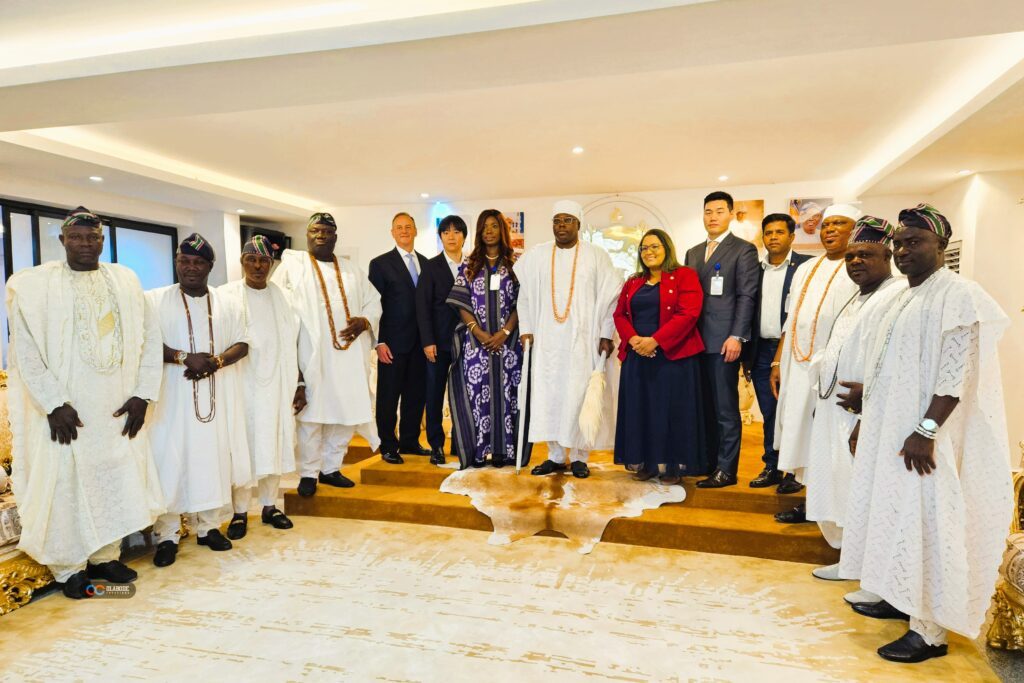
Clean cooking: Efficient cookstoves and climate justice
Energy poverty affects over 900 million Africans. Traditional biomass cooking leads to
deforestation, indoor air pollution and respiratory disease, which has caused lost productivity for
women and girls. Time for Africa’s efficient cookstove programme addresses health, climate and
economic resilience simultaneously.
By distributing and locally manufacturing improved cookstoves, fuel consumption drops
dramatically, household expenses reduce, carbon emissions decrease and, most importantly, the
overall health of women increases, whilst hours are saved each day.
These hours are reinvested into education, farming, entrepreneurship, leadership and self-relaxing
moments; in essence, clean energy is not just environmental policy, it’s gender equity.
Waste to energy: From environmental burden to economic asset
Urban waste is often treated as a problem. Time for Africa treats it as an opportunity, through
waste-to-energy initiatives. Organic waste is converted into biogas; agricultural waste is turned into
briquettes; and then comes capacity building – community youth are trained in recycling enterprises.
Local energy micro-grids are a model that creates jobs while reducing landfill pressure. The reform
of Time for Africa begins with redesigning systems that have failed communities.
We are particular about empowering smallholder farmers, especially women, with a structure
where we ensure precision farming and access to their finances. Agriculture remains the backbone
of many African economies, yet smallholder farmers, predominantly women, face systemic barriers
like limited land ownership, poor access to quality inputs and a lack of cooperative structures.
Time for Africa focuses on transforming small-scale farming into a resilient, profitable enterprise.
We bear in mind that technology, when democratised, becomes a tool for liberation. Capacity
building is the core multiplier, perhaps the most powerful element of Time for Africa’s model.
Instead of dependency, communities receive governance training for cooperatives, entrepreneurial
leadership workshops.
This is where the Cambridge influence reappears in core areas like systems thinking, reform-oriented leadership and impact measurement; these principles guide programme design.
The work reflects a growing movement among global executives who believe Africa’s reform will
not come solely from policy, but from empowered local ecosystems.
Africa is often discussed in macroeconomic terms, such as GDP growth, debt restructuring and
political transitions; however, reform also happens quietly. Do we notice a woman registering her
cooperative, a village switching to clean cooking, youth turning waste into enterprise, farmers using
satellite data for planting? It is good to know that true reform is decentralised.
Time for Africa operates in that quiet revolution as we have reframed giving back as a partnership
whereby diaspora professionals mentor rural entrepreneurs, Executive MBA leaders contributing strategic
oversight.
Corporate partners are supporting scalable pilots, and the local governments are integrating
successful models. This is philanthropy aligned with accountability; giving back is no longer
episodic, it is embedded into leadership identity.
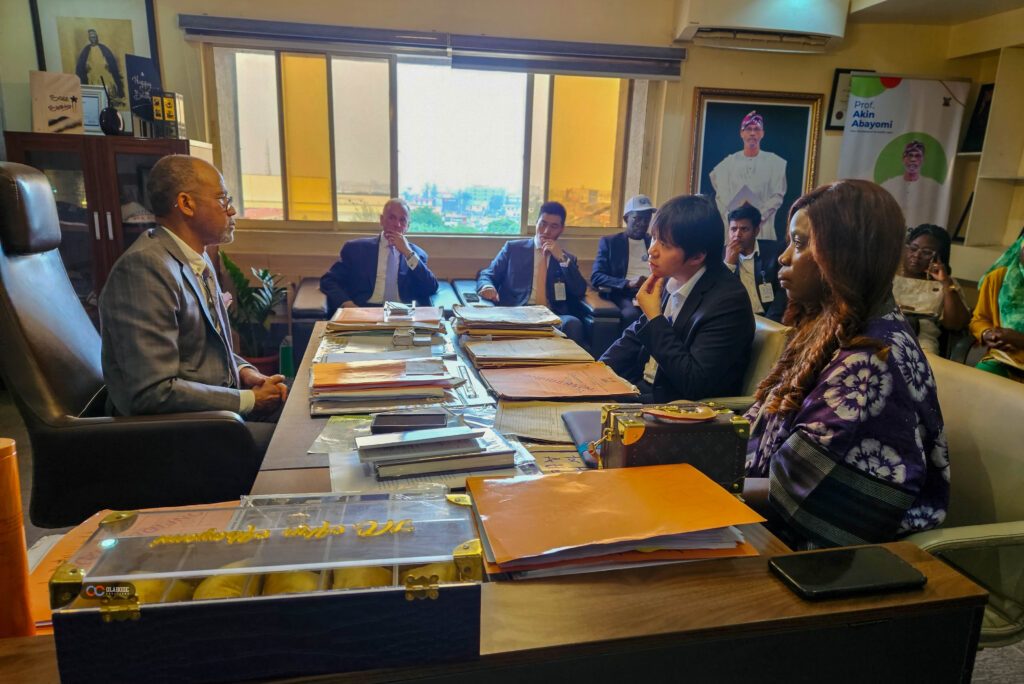
Proposing an ongoing journey
This blog will continue to explore social and economic development across Africa, stories from
women farmers building every significant area that matters, financial inclusion, the economics of
clean cookstove supply chains, and waste-to-energy pilot results.
The reflections from Executive MBA leaders applying global frameworks locally, like lessons learned in
reform-driven development, show that Time for Africa is not a finished chapter. It is a living
experiment in inclusive growth.
Perhaps the greatest insight of all? Impact compounds just like capital when invested wisely.
Leave a Reply